Flower, Floral: A Designer’s Real-World Embroidery Review
As someone who’s stitched hundreds of custom pieces—from boutique aprons to baby onesies and Etsy bestsellers—I opened Flower, Floral expecting charm. What I found was something more valuable: quiet confidence. It’s not flashy or overworked; it’s a balanced, breathable floral motif with gentle curves, open negative space, and just enough detail to feel intentional—not fussy. It lands somewhere between botanical illustration and modern craft sensibility—soft enough for a nursery tea towel, structured enough for a linen tote bag meant to last seasons.
First Impressions That Hold Up Under Needle & Thread
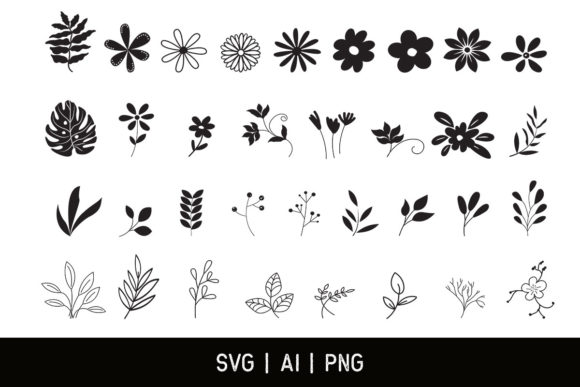
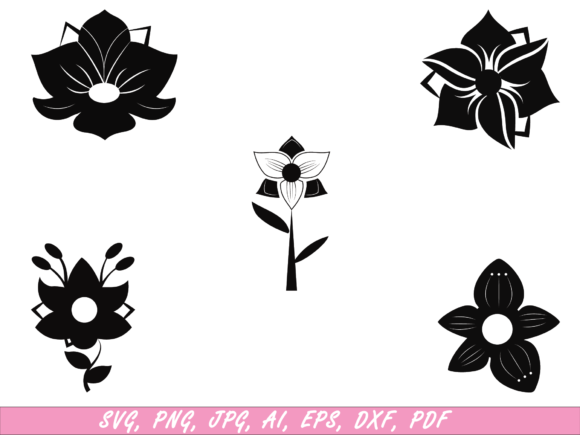
The design reads clearly at a glance: a central bloom with three layered petals, two slender leaves curling outward, and subtle stem suggestion—not rigid, but grounded. There are no micro-details that will vanish in satin stitch, no fragile tendrils that’ll snag on stabilizer or fray after washing. That matters. I tested it as the focal embroidery on a medium-weight cotton twill tote bag—no lining, no interfacing beyond tear-away stabilizer—and the result felt cohesive, not crowded. Customers notice that difference: clean lines read as “handmade with care,” not “rushed digital print.”
Where Flower, Floral Shines (and Where It Asks for Thought)
This isn’t a one-size-fits-all motif—it thrives where subtlety supports story. On a cream-colored organic cotton baby blanket? Perfect. The open petal shapes let the fabric breathe, and the stitch density stays moderate, so it won’t stiffen delicate fibers. As a small chest embroidery on a unisex sweatshirt? Yes—especially if you’re selling to parents who value texture over bling. The design avoids dense fill areas that trap heat or create bulk under collars.
It also works beautifully as an embroidered patch—cut cleanly from twill, fused, then stitched with a tight satin border. Because the outer edges are smooth and continuous (no jagged corners or hairline gaps), it finishes crisply without thread nesting. I used it on denim aprons for a local kitchen supply shop, and the repeat buyers specifically asked for “that soft flower” again.
But here’s where attention matters: Flower, Floral doesn’t translate well to tiny hoops or curved surfaces without adjustment. On a structured cap front, the lower leaf curls slightly downward—so unless you’re using a multi-hooping technique or repositioning manually, it can look unbalanced. Likewise, on stretchy jersey or thin rayon challis, the design benefits from cut-away + topping combo stabilizer. Don’t skip that step—it’s not overkill; it’s insurance against puckering that undermines your handmade product’s perceived value.
Real Impact on Your Craft Business
When you’re an Etsy seller or small shop owner, every design choice affects buyer trust. Flower, Floral reads as timeless—not trendy—so listings age well. I’ve seen it perform strongly in search terms like “minimalist floral embroidery” and “botanical baby gift,” especially when paired with clean mockups showing it on light and dark fabrics. Its versatility across apparel, home goods, and accessories means you can use one purchase across multiple product lines: pillow covers, kitchen towels, even wedding favor sachets.
More importantly, it supports brand consistency. If your shop leans into calm, earthy, or slow-craft aesthetics, this design reinforces that voice without needing heavy editing. No need to simplify further or add filters—it arrives ready. That saves time when prepping digital embroidery files for clients or batch-producing custom apparel.
Design Notes You’ll Actually Use
- Always test first—not just on scrap fabric, but on the *exact* fabric + stabilizer combo you’ll use for the finished product. Thread color contrast shifts dramatically between ivory thread on navy denim versus ecru thread on oat linen.
- Check stitch density in your embroidery software before hooping. Even modest-looking designs can layer unexpectedly in satin stitch sections—especially near petal tips. Adjust if needed to avoid thread buildup.
- Confirm hoop size compatibility—this design fits comfortably in a 4×4 hoop, but if you’re scaling up for a large tote handle or pillow back, verify proportions hold. Overscaling can blur fine edges.
- Inspect small details at actual stitch size: zoom in on the inner petal curve and stem taper. Does it still read as fluid, or does it pixelate or stutter? This is where vector formats (SVG, AI, EPS) earn their keep.
- Test black-and-white mockups before listing. Many buyers imagine embroidery in monochrome first—does Flower, Floral retain its shape and balance without color cues?
- Review licensing carefully. Since this is a Graphics download intended for Crafts, confirm whether commercial use (e.g., selling embroidered patches or finished tote bags) is permitted. When in doubt, reach out to the creator—clarity now prevents headaches later.
Final Thought: Not Just Another Floral File
Flower, Floral doesn’t shout. It invites. It’s the kind of embroidery file that makes customers pause mid-scroll—not because it’s loud, but because it feels considered. That’s rare. In a market flooded with overly detailed, machine-heavy motifs, this one trusts the fabric, the thread, and the maker’s hand. It works for holiday embroidery (think linen napkins for spring brunch), personalized gifts (monogram + flower on a child’s backpack), and even commercial embroidery projects where consistency and clarity matter more than novelty.
If you’re choosing between dozens of floral designs for your next craft business launch, skip the ones that look impressive in preview but unravel under needle tension. Choose the one that stitches cleanly, photographs honestly, and keeps selling long after the season passes. That’s Flower, Floral.