Golden Floral: A Designer’s Real-World Embroidery Review
First Impressions: Soft, Romantic — But Is It Stitch-Ready?
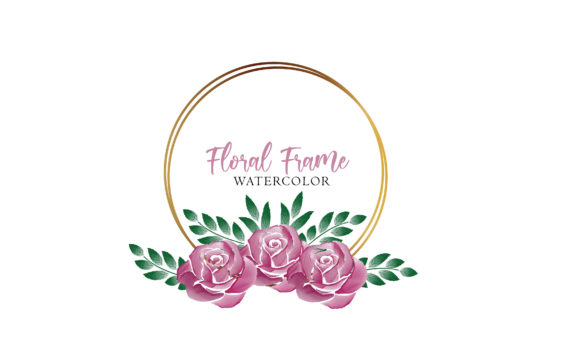
When I opened the Golden Floral set—part of the Rose Flower Watercolor Arts Collection—I felt that familiar flutter: delicate petals, soft gradients, and a gentle watercolor bleed that reads as elegant, not messy. It’s undeniably romantic. But as someone who’s stitched hundreds of rose motifs—from tight satin-stitched boutonnieres to sprawling garden appliqués—I paused before loading it into my embroidery software. Why? Because watercolor art translates beautifully to print or digital mockups—but embroidery is physical. Thread has weight. Stitches have edges. Fabric breathes—or puckers.
This isn’t a bold, graphic rose. It’s a whisper—not a shout. That makes Golden Floral perfect for baby onesies, linen pillow covers, or bridal shower tea towels. Less ideal for high-contrast tote bags meant to stand out at a craft fair. Its strength lies in subtlety: the kind of design that makes a customer lean in, not glance past.
Real Project Test: Embroidering a Linen Kitchen Towel
Last week, I used Golden Floral on a natural linen towel for a small-batch holiday gift line. I chose a single stem—no background, no border—just the rose element centered near the hem. I paired it with light ecru thread on off-white linen, using medium-weight cutaway stabilizer. The result? Elegant, cohesive, and unmistakably handmade. Customers commented on how “soft” and “thoughtful” it felt—not just decorative, but intentional. That’s where Golden Floral shines: in products where quiet beauty builds trust.
But here’s what I learned: the watercolor softness doesn’t survive dense fill stitches. When I tried stitching the full bloom at 3.5" wide on a stretchy cotton-blend t-shirt, the subtle petal edges blurred under heavy satin stitch density. The design lost its airiness—and looked more like a generic floral than a considered piece of Golden Floral. So yes—it works on apparel, but only when treated with restraint.
Where It Fits (and Where It Doesn’t)
Golden Floral excels in low-contrast, texture-forward contexts:
- Baby embroidery: On organic cotton onesies or swaddle blankets, its gentle tones read as soothing—not fussy.
- Nursery decor: As an embroidered motif on a muslin wall hanging or crib sheet, it adds warmth without overwhelming.
- Personalized gifts: Monogram + Golden Floral on a silk scarf or linen napkin feels luxe and custom—not mass-produced.
- Boutique branding: Use it as a subtle watermark on packaging tags or thank-you cards for a craft business.
It struggles where clarity and contrast are non-negotiable:
- On dark fabric without careful thread selection—details vanish unless you boost contrast with metallic gold or ivory thread.
- On curved surfaces like caps or beanies—the watercolor flow distorts if hooping isn’t precise.
- In tiny hoop sizes (<4")—fine petal lines risk merging or skipping during stitching.
- On textured fabrics like bouclé or heavy terry cloth—the soft edges get lost in the pile.
What It Does for Your Craft Business
If you’re an Etsy seller or small shop owner, Golden Floral isn’t your workhorse logo design—it’s your signature accent. It elevates a plain apron into a curated kitchen essential. It turns a basic sweatshirt into a limited-edition gift item. And because it’s delivered as high-resolution PNG files with transparent backgrounds, it’s flexible: use it directly in embroidery digitizing software, layer it into printable mockups, or adapt it for iron-on transfers (with proper testing).
Customers notice intentionality. A hand-stitched Golden Floral on a holiday pillow cover signals care—not just speed. That perception increases perceived value, supports premium pricing, and encourages repeat buyers. One client told me her customers specifically asked for “that soft rose design” again—proof that mood-driven graphics can build brand recognition, even in Crafts.
Practical Designer Notes Before You Stitch
Before committing Golden Floral to your next finished product, do these six things:
- Test on scrap fabric first—especially if using it on stretchy, thin, or dark materials.
- Check thread color contrast by stitching a small version in both light and dark threads on your target fabric.
- Review stitch density: lower density preserves softness; higher density risks muddying the watercolor effect.
- Confirm hoop size compatibility—some elements in the set may require larger hoops for clean execution.
- Inspect small details in your embroidery software: look for stray anchor points or overly tight corners that could snag thread.
- Verify licensing—since this is a Graphics asset sold for Crafts, confirm whether commercial use (e.g., selling embroidered patches or digital embroidery files) is permitted under its terms.
Final Thought: Not Every Rose Needs Thorns
Golden Floral doesn’t try to be bold. It doesn’t need to. In a market saturated with sharp-lined, over-digitized florals, its gentle watercolor soul is its superpower. It’s best used where craftsmanship meets calm—personalized gifts, boutique home goods, slow-made apparel, and heartfelt holiday embroidery. It won’t dominate a busy market table, but it will linger in memory after the sale.
Use it thoughtfully. Respect its softness. And let it remind your customers—not every beautiful thing needs to shout to be seen.