Mandala Ethnic Ornament
First Impressions: A Calm, Grounded Presence
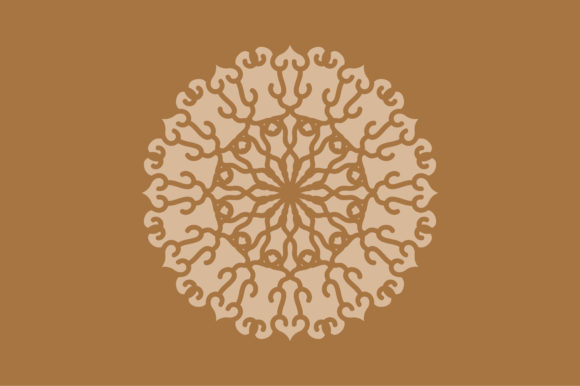
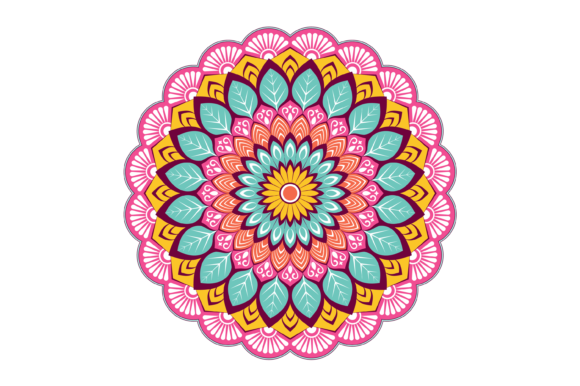
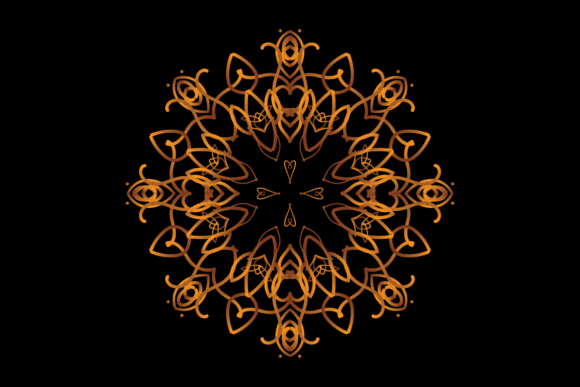
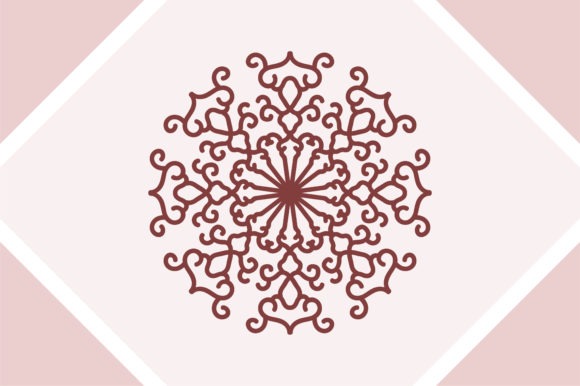
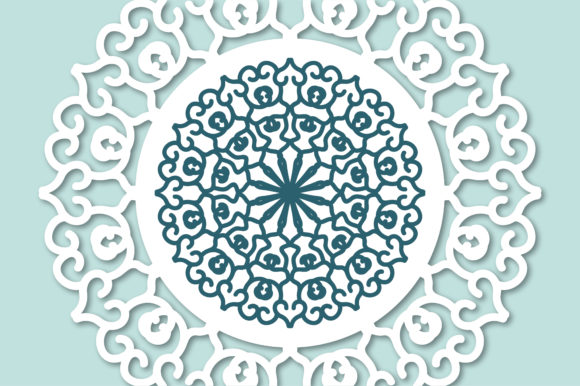
When I opened Mandala Ethnic Ornament, I didn’t see just another repeatable pattern—I saw a quiet center. It’s balanced but not rigid, intricate but never fussy. The concentric layers suggest tradition and intention, with subtle floral motifs woven into geometric framing. There’s no aggressive symmetry—just gentle rhythm. That tells me right away: this isn’t a design for loud streetwear or high-contrast logos. It’s for the handmade product that invites pause—the embroidered baby blanket folded neatly in a boutique window, the linen tea towel hanging in a slow-living kitchen, the custom patch stitched onto a vintage denim jacket.
Real Project Test: A Linen Tote Bag for a Local Herbalist
Last week, I used Mandala Ethnic Ornament on a natural linen tote bag for a small herbal apothecary client. We placed it centered on the front panel, sized to 4.2 inches wide. The result? Instant warmth—no embroidery felt “tacked on.” Because the design avoids ultra-thin lines and micro-details, stitch definition held up beautifully on linen’s slightly open weave. No skipped stitches. No thread nesting in tight corners. The fill stitches settled cleanly, and the outer satin-stitched border gave just enough lift without overwhelming the fabric’s texture. Customers noticed it—not as decoration, but as *intention*. That’s the difference between a graphic slapped on and a design that belongs.
Where It Shines (and Where to Pause)
Mandala Ethnic Ornament excels in projects where craftsmanship and calm resonance matter more than flash:
- Custom apparel: Sweatshirt embroidery (especially on midweight cotton fleece), lightweight organic tees, and unstructured caps—when placed on the left chest or back yoke.
- Baby & nursery items: Swaddle blankets, muslin burp cloths, and crib mobiles—its soft geometry feels safe, not stimulating.
- Patches & accessories: Works elegantly as an embroidered patch on canvas aprons, leather journals, or woven wristlets.
- Holiday & gifting: Embroidered on velvet pouches for holiday ornaments or as a subtle motif on hand-stitched greeting cards.
- Digital versatility: As a Graphics asset, it scales cleanly for printable mockups, invitation suites, and even wallpaper previews—no pixelation at 300 dpi.
But here’s where I slow down:
- Small hoop sizes (under 3.5”): Some inner filigree may compress or lose clarity—test before committing to tiny placements like hat brims or keychain patches.
- Stretchy fabrics (jersey, rib knit): Requires cutaway stabilizer and reduced stitch density—tight curves can pucker if tension isn’t dialed in.
- Dark or textured backgrounds: Avoid placing over heavy bouclé or corduroy unless you’re willing to add underlay or adjust push-pull compensation.
- Frequent-wash items (baby onesies, kitchen towels): Confirm thread colorfastness and consider reinforcing high-curve areas with a light running stitch outline.
What It Does for Your Craft Business
If you’re an Etsy seller or small shop owner, Mandala Ethnic Ornament quietly lifts perceived value. It reads as intentional—not algorithmically generated or clip-art adjacent. When customers see it on your embroidered pillow cover or custom apron, they don’t think “designer chose a freebie.” They think “this person cares about harmony.” That builds trust. It also supports brand consistency: pair it with muted earth-tone threads and natural fibers, and your entire line begins to feel curated, not assembled.
For digital product sellers, its adaptability across Crafts categories is a real advantage. You can offer it as a standalone machine embroidery design, bundle it with coordinating floral borders for invitation design, or repurpose elements for wood carving templates—all without licensing friction (though always verify terms before resale).
Designer Notes You’ll Actually Use
Before stitching your first Mandala Ethnic Ornament project, do these five things:
- Test on scrap fabric—same weight, same finish, same stabilizer combo you’ll use on the final piece.
- Check thread color contrast on both light and dark backgrounds—some inner motifs fade if thread blends too closely with fabric tone.
- Review stitch density in your embroidery software—dense fill areas should breathe on delicate fabrics; reduce density by 10–15% for silk, rayon, or thin cotton.
- Confirm hoop size compatibility—if your machine has a 4x4 hoop only, verify the design fits comfortably with ⅛” margin clearance.
- Inspect small details in black-and-white mockup—what reads as elegant in color might vanish as grayscale on printed packaging or social thumbnails.
A Final Thought: It’s Not Just Ornament—It’s Invitation
In a market flooded with busy, maximalist embroidery files, Mandala Ethnic Ornament offers something rarer: space. Space for breath. Space for meaning. When used thoughtfully—on a hand-stitched baby gift, a boutique sweatshirt, or a custom invitation suite—it doesn’t shout. It welcomes. That’s why it works so well for personalized gifts and small business merchandise: it reflects the care behind the making, not just the speed of the output. If your goal is to create finished products people hold longer, choose slower, and remember fondly—this design earns its place in your embroidery project queue.