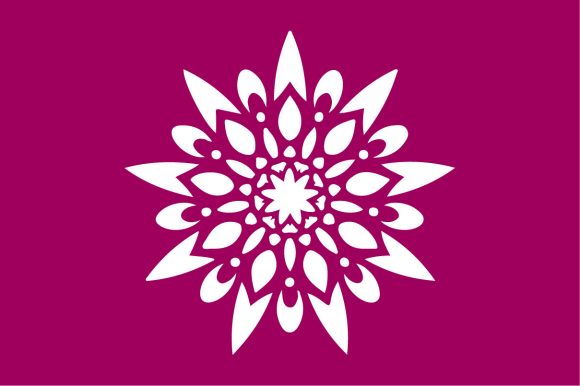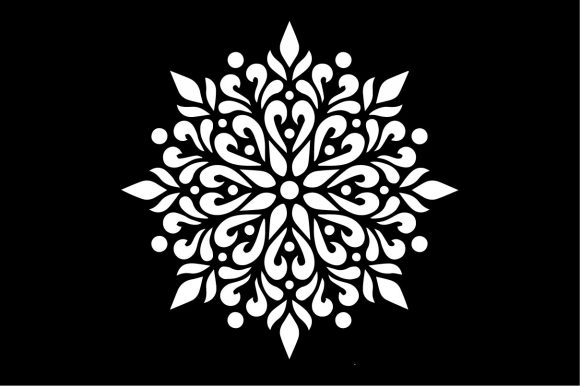
Sunflower, Floral Stencil
As a designer who’s stitched over 300 client projects—from boutique baby onesies to limited-run embroidered aprons for artisan cafés—I opened Sunflower, Floral Stencil expecting charm. What I found was something more grounded: a quietly confident floral motif that doesn’t shout, but settles in like a well-worn favorite. It’s not fussy. Not overly detailed. And that’s exactly why it works so well for real embroidery—not just digital previews.
A Tote Bag That Feels Thoughtful, Not Trendy
Last week, I used Sunflower, Floral Stencil as the centerpiece for a custom linen tote bag—intended as a small-batch holiday gift for a local florist’s customers. No monogram. No extra text. Just the sunflower, centered on the front panel, sized to 4.2 inches wide. The result? A piece that looked handmade without looking handmade-*trying*. Customers paused. They ran fingers over the stitching. One asked, “Did you grow this?” That’s the quiet power of this design: it reads as organic, warm, and intentional—not clip-art repurposed.
What the Design Actually Delivers (and Where It Asks for Care)
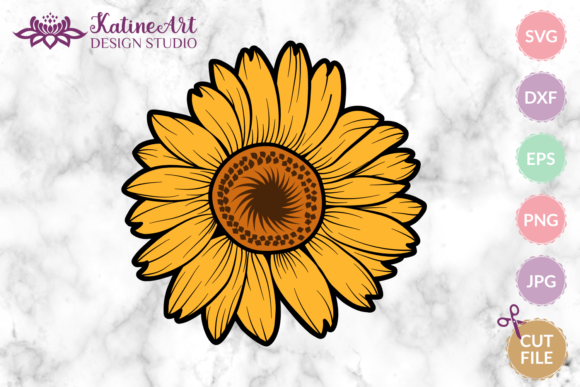
Sunflower, Floral Stencil leans into clean silhouette and gentle rhythm—not photorealism. Its petals have subtle tapering, the center is open enough to avoid dense fill stitch buildup, and the stem flows with a natural curve rather than rigid geometry. That makes it forgiving across fabric types, but not universally bulletproof.
Here’s where it shines:
- Custom apparel: On midweight cotton sweatshirts and structured canvas totes, the shape holds clarity even at 3.5–4.5 inches. No lost detail, no thread nesting.
- Baby embroidery: Paired with soft stabilizer and low-density fill stitch, it reads sweet—not busy—on gauzy receiving blankets or cotton knit onesies.
- Embroidered patch: As a standalone motif (not layered), it stitches cleanly on twill or denim backing, especially when finished with merrowed edges.
- Holiday and wedding gifts: It reads timeless, not seasonal—equally at home on a spring tea towel or a fall harvest pillow cover.
And here’s where it asks for your attention:
- Small hoop sizes under 3 inches: The petal tips and stem taper narrow quickly—test first. At 2.75 inches, some outer definition softens unless you adjust stitch density manually.
- Stretchy or textured fabrics: On slubbed linen or lightweight jersey, use cutaway + tear-away combo stabilizer. The design’s flow depends on stability—not stretch.
- Dark fabric backgrounds: The JPG and PNG files are crisp at 300 dpi, but always preview in black-and-white mockups. Some inner line weight disappears against charcoal or navy unless you boost contrast in your editing software first.
- Curved surfaces like caps: The stem’s gentle arc adapts well—but avoid placing the center too close to the cap’s front seam. It pulls slightly there, and symmetry matters more than usual.
Why This Isn’t Just Another Digital File—It’s a Craft Business Asset
I’ve reviewed hundreds of graphics labeled “embroidery-ready,” only to find they’re really just SVG exports with no stitch logic. Sunflower, Floral Stencil isn’t that. Yes, it ships as a Crafts category Graphics bundle (SVG, DXF, EPS, JPG, PNG)—but its strength lies in how easily it translates *into* a machine embroidery design. You’re not starting from scratch; you’re starting from intention.
For Etsy sellers and small shop owners: this design supports brand consistency without demanding uniformity. Use it in three different color palettes—one earthy (ochre + sage), one soft (blush + cream), one bold (mustard + charcoal)—and each feels like part of the same family. That cohesion builds trust. Customers recognize your hand, even when they can’t name why.
For apparel decorators and craft fair vendors: it scales gracefully between high-touch items (hand-stitched pillow covers) and production-friendly runs (dozen embroidered tea towels). Because it avoids micro-detail, it doesn’t require re-hooping every 30 seconds—and that saves real time and thread.
Practical Designer Notes Before You Stitch
This isn’t theoretical. These are the steps I took before cutting fabric:
- Test on scrap first—especially with your go-to stabilizer combo and thread brand. Satin stitch behavior varies wildly between rayon and polyester.
- Check thread color contrast on both light and dark fabric swatches. That center circle? It reads as texture, not solid fill—so low-contrast threads (cream on ecru) can vanish.
- Review stitch density in your embroidery software. The original file doesn’t include stitch data, so density is your call. For baby items: reduce fill by 15%. For heavy canvas: keep it at 100% or add a second pass.
- Confirm hoop size compatibility. While the design fits comfortably in a 5x7 hoop, double-check placement if using a 4x4 for smaller versions.
- Inspect small details at 200% zoom: petal tips, stem termination, and negative space around the center. If you plan to convert this into an applique design, those edges must be sharp.
- Use printable mockups to show clients. The PNG’s transparent background makes this effortless—no clipping masks needed.
- Verify licensing before selling finished products or bundling digitally. Since this is delivered as a Graphics file set—not a pre-digitized embroidery file—you’ll need to confirm usage rights for commercial embroidery and resale of physical goods.
Final Thought: It’s the Kind of Design You Keep Coming Back To
I don’t stockpile floral stencils. But I saved Sunflower, Floral Stencil to my “core assets” folder—the one I open first when a client says, “Something cheerful, but not cutesy.” It’s balanced. It breathes. And most importantly, it behaves on fabric the way it promises on screen. In a landscape full of overdesigned, oversaturated graphics, that kind of reliability is rare. Whether you’re stitching a single personalized gift or building a craft business around thoughtful, repeatable motifs—this sunflower doesn’t just bloom. It roots.